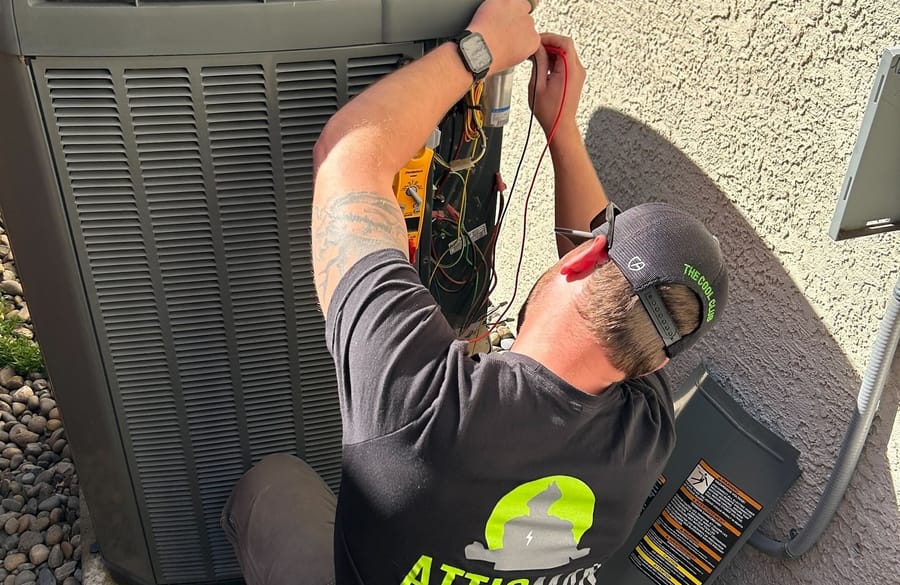
Smart Steps to Plan, Compare, and Execute a Smooth HVAC Project at Home
Homeowners often approach HVAC work in phases, and a structured plan helps avoid rework and delays. Start by defining comfort goals, room-by-room issues, and any hot or cold spots. Then align those needs with system types and efficiency tiers. A written scope with desired outcomes gives contractors a clear brief and supports apples-to-apples proposals that you can evaluate without pressure.
Beyond that, site conditions drive many decisions before installation and maintanence begin. Square footage, insulation levels, and duct layout affect equipment sizing and airflow balance. A careful load assessment should validate capacity, and return-air placement should be checked to prevent noise and short cycling. Documenting these findings helps you understand trade-offs and the reasoning behind recommendations.
Meanwhile, material choices influence durability and ongoing costs. Ductwork quality, sealing methods, and filtration all shape performance. Rigid or flex ducts must be installed with smooth transitions, and joints sealed to limit leakage. Filters should match system static pressure limits to protect motors and maintain airflow. Discuss maintenance intervals, parts availability, and warranties to buffer against future surprises.
However, workflow and staging on the job matter as much as specifications. Confirm access routes, attic or crawl logistics, and safe work platforms. Sequence tasks so demolition, duct changes, and equipment placement occur before electrical and refrigerant connections. Inspect clearances for service panels and condensate routing. This minimizes backtracking, reduces dust migration, and shortens downtime during critical heating or cooling periods.
In practice, budgeting should be framed around lifecycle value, not just the initial invoice. Energy use, filter replacements, and routine tune-ups add to the total picture. Ask for a breakdown that separates equipment, labor, accessories, and optional enhancements. Then compare proposals on scope completeness: permits, disposal, pad upgrades, and thermostat setup. Transparent communication reduces assumptions and validates that expectations are aligned.
Often, airflow and thermal envelope upgrades can elevate results without changing equipment. Insulation improvements and targeted duct repairs may stabilize temperatures and allow proper sizing. Verify attic ventilation and air sealing around penetrations to prevent condensation risk. Small corrections can unlock quieter operation and more even rooms, especially if you plan to add zoning or smarter controls later.
Then, maintenance planning closes the loop on reliability. Seasonal checkups should include refrigerant parameters, combustion safety for heating appliances, electrical inspections, and drain clearing. Record filter sizes, belt types, and part numbers in a simple log. Establish reminders for cleanings and tune-ups so efficiency stays on track. This simple discipline reduces emergency calls and extends the system’s service life.
Meanwhile, hot-water needs intersect with comfort in many homes. If you are evaluating water heaters, compare recovery rates, venting requirements, and footprint alongside HVAC components. Ensure combustion air and exhaust paths are validated, and confirm drain pan and leak detection where appropriate. Coordinated scheduling prevents trades from blocking one another and keeps the mechanical area organized for future service.
Finally, commissioning and handoff deserve focused attention. Technicians should calibrate thermostats, verify static pressure, and balance supply and return flows. Ask for documentation of model numbers, setpoints, and any zoning parameters. A brief walkthrough on filter changes, drainage checks, and thermostat features helps you operate the system confidently and maintain comfort through seasonal swings.
Ultimately, selecting the right partner comes down to process, clarity, and follow-through. Look for accurate diagnostics, options presented with pros and cons, and written scopes that spell out responsibilities. If you need AC repair or a broader project touching heating, ductwork, and insulation, request proposals that reflect your goals and your home’s realities. With a solid plan, you can validate choices and enjoy dependable comfort for years.